
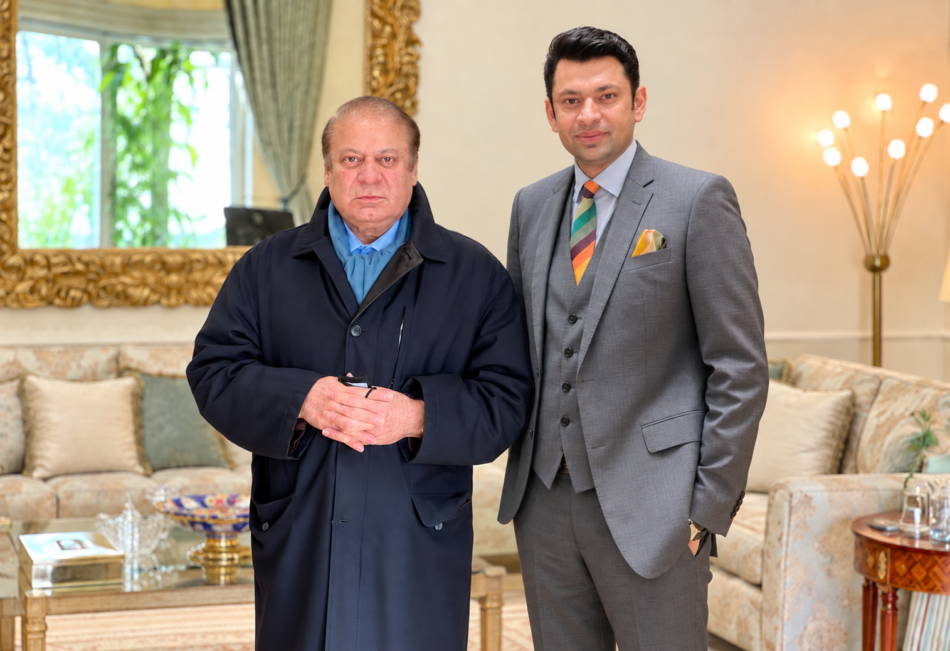
It was an honour to spend time with Mr Nawaz Sharif, three times Prime Minister of Pakistan, and to discuss a subject that has occupied much of my professional life: how Pakistan can turn its enormous potential into sustained, long-term foreign direct investment.
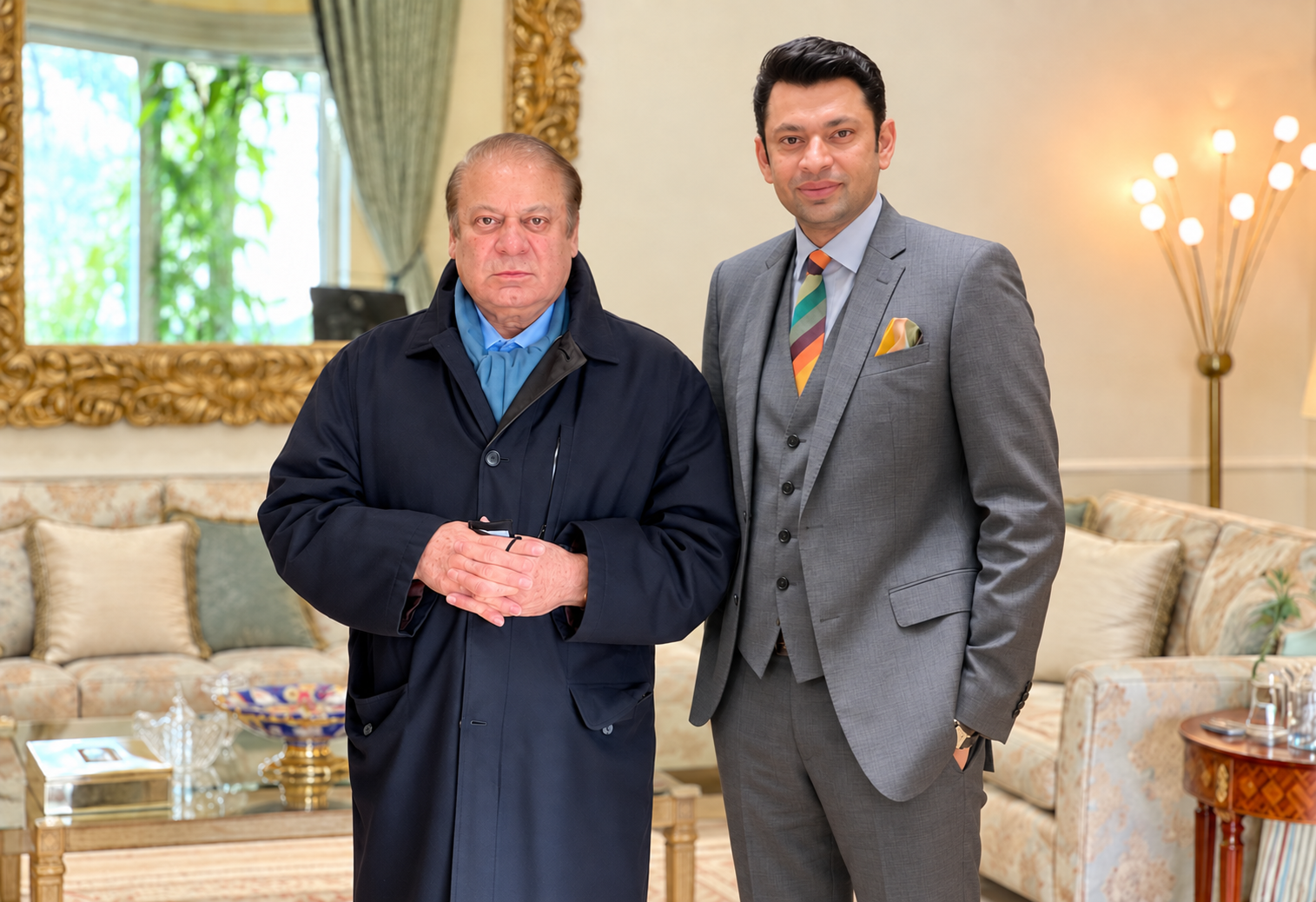
Few leaders in Pakistan’s history are as closely associated with the language of business. Mr Sharif’s political career grew out of an industrial family, and his governments are remembered for their emphasis on infrastructure, energy and trade. That background gave our conversation a practical edge. We were not speaking about investment as an abstract idea, but about the roads, power plants, ports and policies that decide whether capital arrives and, more importantly, whether it stays.
I shared the perspective I have formed over my years in the Gulf’s investment and advisory landscape. Investors in Dubai, Riyadh and beyond do not lack interest in Pakistan. What they lack is certainty. They want to know that a project approved under one government will be honoured by the next, that profits can be repatriated without friction, and that a dispute will be settled by an institution rather than by influence.
Several themes from that discussion have stayed with me:
Infrastructure is the first pitch. Before an investor reads a single policy paper, they look at what has already been built. Motorways, power generation and logistics corridors are the most persuasive prospectus a country can publish.
Energy security underwrites everything. No manufacturer commits to a plant without confidence in the grid. Solving supply is not one reform among many; it is the reform that makes every other reform credible.
Continuity across governments. Too many of Pakistan’s reforms have been reversed by the administration that followed. Investors do not need every party to agree on politics, only on the rules of doing business.
The Gulf as Pakistan’s natural capital partner. The UAE and Saudi Arabia are actively looking for deployable opportunities in markets they understand. Pakistan’s proximity, its workforce and its diaspora across the region give it a claim on that capital that few countries can match.
Partnership and privatisation done in the open. Public private partnerships and asset sales can bring both money and management, but only when the process is transparent enough that the next bidder trusts it as much as the first.
What I took away from the meeting was a belief I return to often: Pakistan’s difficulty has never been a shortage of opportunity. It has been the gap between opportunity and confidence. A leader who has governed through periods of both growth and crisis understands that gap better than almost anyone, and it was a privilege to hear that perspective first hand.
The conversation strengthened my commitment to using my position in the Gulf to connect serious, patient capital with Pakistan, and it remains one of the exchanges I value most in my professional life.


